
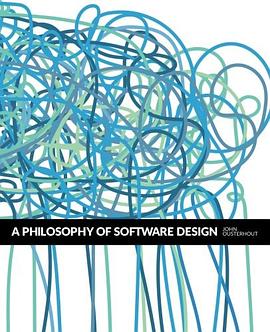

具体描述
This book addresses the topic of software design: how to decompose complex software systems into modules (such as classes and methods) that can be implemented relatively independently. The book first introduces the fundamental problem in software design, which is managing complexity. It then discusses philosophical issues about how to approach the software design process, and it presents a collection of design principles to apply during software design. The book also introduces a set of red flags that identify design problems. You can apply the ideas in this book to minimize the complexity of large software systems, so that you can write software more quickly
用户评价
##提供了一些新的视角,有借鉴意义。
评分##提供了一些新的视角,有借鉴意义。
评分##引用最后一章第一句话:This book is about one thing: complexity。虽然标题里带有"philosophy",但其实书里介绍的大部分内容还是挺直觉。关于异常和注释的两章反而让我收获最多
评分##引用最后一章第一句话:This book is about one thing: complexity。虽然标题里带有"philosophy",但其实书里介绍的大部分内容还是挺直觉。关于异常和注释的两章反而让我收获最多
评分##新入行的程序员应该看看,都是些老调重弹
评分##复杂度
评分##引用最后一章第一句话:This book is about one thing: complexity。虽然标题里带有"philosophy",但其实书里介绍的大部分内容还是挺直觉。关于异常和注释的两章反而让我收获最多
评分##"The first is to describe the nature of software complexity ... The book’s second, and more challenging, goal is to present techniques you can use during the software development process to minimize complexity."/"...the increments of development should be abstraction, not features..."/这本书着重强调软件系统设计的目标是控制住系统内部的复杂度。比较少讨论功能和性能。
评分##看完我想到一个词,“斟酌”。在软件设置的每个阶段都要反复去斟酌,架构设计、数据结构、接口、实现、方法的定义与实现,一段业务逻辑一行注释一个变量都要反复斟酌。总之就是要把软件当成一件艺术品一般去雕刻,一切的一切为了控制软件的复杂性。虽然对于大部分CRUD boy来说都是需求驱动、工期驱动。但请切记,写代码要反复斟酌,这一定可以让你在CRUD boys里面脱颖而出。
相关图书




本站所有内容均为互联网搜索引擎提供的公开搜索信息,本站不存储任何数据与内容,任何内容与数据均与本站无关,如有需要请联系相关搜索引擎包括但不限于百度,google,bing,sogou 等
© 2026 book.teaonline.club All Rights Reserved. 图书大百科 版权所有