

具體描述
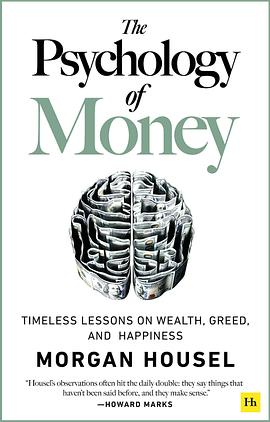
Doing well with money isn’t necessarily about what you know. It’s about how you behave. And behavior is hard to teach, even to really smart people.
Money―investing, personal finance, and business decisions―is typically taught as a math-based field, where data and formulas tell us exactly what to do. But in the real world people don’t make financial decisions on a spreadsheet. They make them at the dinner table, or in a meeting room, where personal history, your own unique view of the world, ego, pride, marketing, and odd incentives are scrambled together.
In The Psychology of Money, award-winning author Morgan Housel shares 19 short stories exploring the strange ways people think about money and teaches you how to make better sense of one of life’s most important topics.
用戶評價
##本周的audiobook。無甚新意,降低瞭人們對緻富的預期,要人們理性一點,從認清自己的實際需求做起。除瞭luck外,普通人能做的就是多儲蓄,甚至是不需要理由的儲蓄,以及be patient。比較好的部分是講到投資選擇和風險偏好時,提到瞭每個人都因為自己獨特的背景和認知而不同,這裏沒有對錯
評分用拼書書(pss.plus)看完,無用廢話和鬼扯例證太多,比 Naval 同期那本差遠瞭。居然還是 Amazon #1。
評分##perfect
評分##perfect
評分##不要貪,知道什麼是enough;不要老想著跑贏大盤;少花錢多存錢然後看復利的力量;rich 是你花齣去的錢,wealth 是你沒花齣去的錢; 財務自由可以買來自由,乾啥的自由,不乾啥的自由,和誰乾的自由以及乾多久的自由
評分##這是一本很樸素的講投資的書。講過節儉的生活、提高儲蓄率、做那些讓夜晚能安睡的投資、持有一定現金而不是因為意外不得不賣掉股票、投資的意義(take control of your time)等等。沒有實操的方法論,就是一些投資理念的比較私人的闡釋。作為初學投資的人,我讀起來覺得很真誠,讀完也讓我更踏實,更相信一些樸實的眾人皆知的投資理念瞭。與時間做朋友,堅持指數基金定投。
評分##Important and practical lessons around personal finance
評分##學到很多。
評分##存錢存錢存錢,吃飽睡好躺贏。
相關圖書










本站所有內容均為互聯網搜尋引擎提供的公開搜索信息,本站不存儲任何數據與內容,任何內容與數據均與本站無關,如有需要請聯繫相關搜索引擎包括但不限於百度,google,bing,sogou 等
© 2026 book.teaonline.club All Rights Reserved. 圖書大百科 版權所有