
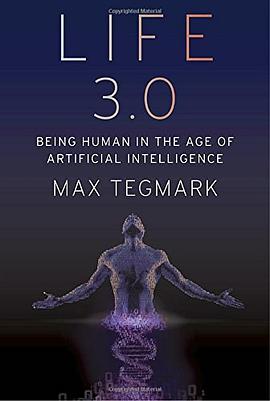

How can we grow our prosperity through automation without leaving people lacking income or purpose? What career advice should we give today’s kids? How can we make future AI systems more robust, so that they do what we want without crashing, malfunctioning or getting hacked? Should we fear an arms race in lethal autonomous weapons? Will machines eventually outsmart us at all tasks, replacing humans on the job market and perhaps altogether? Will AI help life flourish like never before or give us more power than we can handle?
What sort of future do you want? This book empowers you to join what may be the most important conversation of our time. It doesn’t shy away from the full range of viewpoints or from the most controversial issues—from superintelligence to meaning, consciousness and the ultimate physical limits on life in the cosmos.
· · · · · · (收起)
具体描述
How will Artificial Intelligence affect crime, war, justice, jobs, society and our very sense of being human? The rise of AI has the potential to transform our future more than any other technology—and there’s nobody better qualified or situated to explore that future than Max Tegmark, an MIT professor who’s helped mainstream research on how to keep AI beneficial.
How can we grow our prosperity through automation without leaving people lacking income or purpose? What career advice should we give today’s kids? How can we make future AI systems more robust, so that they do what we want without crashing, malfunctioning or getting hacked? Should we fear an arms race in lethal autonomous weapons? Will machines eventually outsmart us at all tasks, replacing humans on the job market and perhaps altogether? Will AI help life flourish like never before or give us more power than we can handle?
What sort of future do you want? This book empowers you to join what may be the most important conversation of our time. It doesn’t shy away from the full range of viewpoints or from the most controversial issues—from superintelligence to meaning, consciousness and the ultimate physical limits on life in the cosmos.
用户评价
##即便陌生Artificial general intelligence之类术语的读者也很有可能熟悉杨安泽提及的工业革命3.0 或者Eliezer Yudkowsky著名的订书钉极大器。的确,我们所处的时空很可能是人工智能爆发的前夜,至于黎明之后迎接智人社会的是西部世界,楚门的世界,1984,或者星际穿越,天空才是我们想象的极限。Tegmark的这本书是新世界的地图,详细标注了AI研究领域亟待解决和注意的关键伦理问题和设计方向,也是对于未知领域规范化探索的关键索引。
评分##全面分析了intelligence
评分##到后面越来越无聊
评分##即便陌生Artificial general intelligence之类术语的读者也很有可能熟悉杨安泽提及的工业革命3.0 或者Eliezer Yudkowsky著名的订书钉极大器。的确,我们所处的时空很可能是人工智能爆发的前夜,至于黎明之后迎接智人社会的是西部世界,楚门的世界,1984,或者星际穿越,天空才是我们想象的极限。Tegmark的这本书是新世界的地图,详细标注了AI研究领域亟待解决和注意的关键伦理问题和设计方向,也是对于未知领域规范化探索的关键索引。
评分##作者对未来的方向的认识很开放,各种理论流派面面俱到,综合但同时絮叨。整本书一会儿像科普,一会儿像科幻。。。
评分##最新一本讲人工智能的书。这类书也有套路,10%之一新意已属不易。不过此书第七、八两章,分别谈“目标”与“意识”,非常有意思。贯穿始终的是链接意识的神经学基础和物理学基础。作为一个文科生,我必须承认书没读懂。
评分##前半部分作者尝试描述未来的人类和AI前景时,内容一直在fiction/假设/纯畅想中来回摇摆,一直到讲回物理把scale拉到宇宙,才感觉论证有依据起来,感觉动辄对人类几百万年后的论证不是没事儿干。本来只想借科学家之眼来一个对near future的glimpse,却收获了一整本严肃的对生命/意识/科技/机器和的探讨,一整章轻松的对Elon Musk的欣赏,和一句人类未来由每个人书写的鼓励!
评分##写得又多又乱
评分##写得又多又乱
相关图书






本站所有内容均为互联网搜索引擎提供的公开搜索信息,本站不存储任何数据与内容,任何内容与数据均与本站无关,如有需要请联系相关搜索引擎包括但不限于百度,google,bing,sogou 等
© 2026 book.teaonline.club All Rights Reserved. 图书大百科 版权所有