

具体描述
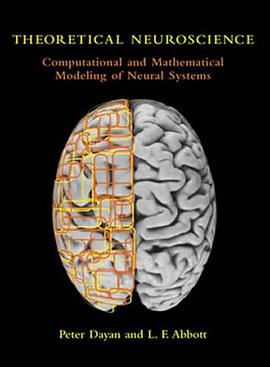
Theoretical neuroscience provides a quantitative basis for describing what nervous systems do, determining how they function, and uncovering the general principles by which they operate. This text introduces the basic mathematical and computational methods of theoretical neuroscience and presents applications in a variety of areas including vision, sensory-motor integration, development, learning, and memory.The book is divided into three parts. Part I discusses the relationship between sensory stimuli and neural responses, focusing on the representation of information by the spiking activity of neurons. Part II discusses the modeling of neurons and neural circuits on the basis of cellular and synaptic biophysics. Part III analyzes the role of plasticity in development and learning. An appendix covers the mathematical methods used, and exercises are available on the book's Web site.
用户评价
##速览了前两部分
评分##教材
评分##速览了前两部分
评分##非常有趣!的确够 Theoretical, 但是最后几章描述过程的生理基础我并不是非常懂。
评分##计算神经学课本,书的主页里可以免费下载练习题用的data和code
评分##不能作为一个高水平读者给出评价。 computational neuroscience入门书,配合一些video lectures+ project一起来学。
评分##对recurrency的讨论挺有意思
评分##这。。。。。
评分计算神经科学顶级教材没说的,没任何神经基础的民工(本人)乍一看似乎也能上手,写点代码画几个图拿个A也不是问题,但要从生理学上理解实在是太难了,没个半年的文献积累根本就是瞎绕,终于意识到做理论的大忌就是算了大堆东西最后不知道自己在算啥……再漂亮的代码在能被解释描述物理(生物)过程之前什么也不是。瞬间失去信心,再加上又被上课的老师摆了一道,终于彻底拔草
相关图书

















本站所有内容均为互联网搜索引擎提供的公开搜索信息,本站不存储任何数据与内容,任何内容与数据均与本站无关,如有需要请联系相关搜索引擎包括但不限于百度,google,bing,sogou 等
© 2026 book.teaonline.club All Rights Reserved. 图书大百科 版权所有