

具体描述
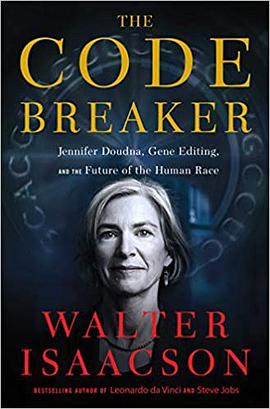
The bestselling author of Leonardo da Vinci and Steve Jobs returns with a gripping account of how Nobel Prize winner Jennifer Doudna and her colleagues launched a revolution that will allow us to cure diseases, fend off viruses, and have healthier babies.
When Jennifer Doudna was in sixth grade, she came home one day to find that her dad had left a paperback titled The Double Helix on her bed. She put it aside, thinking it was one of those detective tales she loved. When she read it on a rainy Saturday, she discovered she was right, in a way. As she sped through the pages, she became enthralled by the intense drama behind the competition to discover the code of life. Even though her high school counselor told her girls didn’t become scientists, she decided she would.
Driven by a passion to understand how nature works and to turn discoveries into inventions, she would help to make what the book’s author, James Watson, told her was the most important biological advance since his co-discovery of the structure of DNA. She and her collaborators turned a curiosity of nature into an invention that will transform the human race: an easy-to-use tool that can edit DNA. Known as CRISPR, it opened a brave new world of medical miracles and moral questions.
The development of CRISPR and the race to create vaccines for coronavirus will hasten our transition to the next great innovation revolution. The past half-century has been a digital age, based on the microchip, computer, and internet. Now we are entering a life-science revolution. Children who study digital coding will be joined by those who study genetic code.
Should we use our new evolution-hacking powers to make us less susceptible to viruses? What a wonderful boon that would be! And what about preventing depression? Hmmm…Should we allow parents, if they can afford it, to enhance the height or muscles or IQ of their kids?
After helping to discover CRISPR, Doudna became a leader in wrestling with these moral issues and, with her collaborator Emmanuelle Charpentier, won the Nobel Prize in 2020. Her story is a thrilling detective tale that involves the most profound wonders of nature, from the origins of life to the future of our species.
用户评价
##很精彩的故事,高尖端的科技,科学家的争名夺利,关于道德的争论,都很有意思,不过感觉作者夹带私货略多
评分##很好的了解CRISP的科普
评分##很精彩的故事,高尖端的科技,科学家的争名夺利,关于道德的争论,都很有意思,不过感觉作者夹带私货略多
评分##作为对科技新闻有一定关注的读者,我是觉得传记大拿的这本新书略略有点水、有点散呀……可能书中纪事我多少有些了解,所以读来新鲜感不强。而厚厚近600页感觉有点四不像——既不是传记、也不是新闻调查;有点像在翻资料汇编,又有点像在刷公众号。 不过也不难看。最留下印象的几点: ➊用生物学词汇mosaic来形容人性的复杂多面向,a better description than grayscale; ➋第一次了解到biohackers(书中以Josiah Zayner为代表)这个群体。如何看待citizen science(民科)? ➌作者引用Michael Sandel教授关于“playing god”的论述; ➍D与C两位女科学家渐行渐远(不是闹翻)的友谊(研究合作与私交两个层面)。
评分##很好的了解CRISP的科普
评分##作为对科技新闻有一定关注的读者,我是觉得传记大拿的这本新书略略有点水、有点散呀……可能书中纪事我多少有些了解,所以读来新鲜感不强。而厚厚近600页感觉有点四不像——既不是传记、也不是新闻调查;有点像在翻资料汇编,又有点像在刷公众号。 不过也不难看。最留下印象的几点: ➊用生物学词汇mosaic来形容人性的复杂多面向,a better description than grayscale; ➋第一次了解到biohackers(书中以Josiah Zayner为代表)这个群体。如何看待citizen science(民科)? ➌作者引用Michael Sandel教授关于“playing god”的论述; ➍D与C两位女科学家渐行渐远(不是闹翻)的友谊(研究合作与私交两个层面)。
评分##真是一本一言难尽的书,有点不伦不类的。如果是个传记,那么这是我读过的最失败的传记了,读之前对女主充满了崇拜,读完了几乎好感全无,觉得她好胜心过强。这本书是开始介绍珍妮弗·道德纳的背景求学经历以及如何开始研究RNA ,然后变成了一本CRISPR 科普,又陆续介绍了一群对CRISPR有贡献的科学家,然后开始八卦道德纳和张的CRISPR 专利战,然后又开始讨论基因改造的道德性,然后聊了聊RNA和新冠,最后以得诺贝尔奖结束。其实与其写成传记,不如学成一部纪实文学,从各方面客观的去讲述基因改造的发展更好一些。 让我想八卦的地方是,作者至少在2019年就开始参加一些活动了,应该是在最迟2019就开始着手这本书,那么后来的诺贝尔和新冠只是巧合的话,作者也太好运了。
评分##最多3.5星吧。与其说这是一本传记不如说是科普。然而作者写科普书的能力远不如其他专业学者。 关于基因编辑的道德问题作者花了很长的篇幅讨论,这个话题写几本书都可以,作者在这方面的理论知识显然还不够。道德问题谁都有权利发言,但写太多了看着很乏味。 零星的点:金字塔尖的竞争很激烈,人尖们犯过的错走过的弯路有借鉴意义,国外的前沿科学研究值得时刻跟进和关注。
评分##挺好看的,实效性很强,跟covid联系很紧密。最喜欢看这种众人拾柴火焰高,每个人的研究都为某个成功的发现奠定基石的故事。所以其实叫code breakers确实更合适,很喜欢Doudna和Charpentier这种微妙的情感,既是合作者又有点小竞争的感觉。中间有段讲gene editing的好处和坏处觉得有点离题,好在后面又拉回来了
相关图书


本站所有内容均为互联网搜索引擎提供的公开搜索信息,本站不存储任何数据与内容,任何内容与数据均与本站无关,如有需要请联系相关搜索引擎包括但不限于百度,google,bing,sogou 等
© 2026 book.teaonline.club All Rights Reserved. 图书大百科 版权所有