
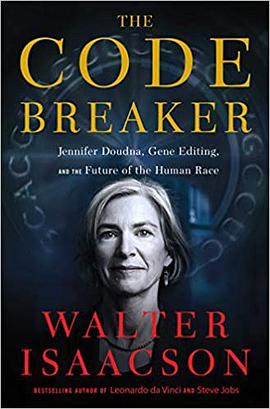

具體描述
The bestselling author of Leonardo da Vinci and Steve Jobs returns with a gripping account of how Nobel Prize winner Jennifer Doudna and her colleagues launched a revolution that will allow us to cure diseases, fend off viruses, and have healthier babies.
When Jennifer Doudna was in sixth grade, she came home one day to find that her dad had left a paperback titled The Double Helix on her bed. She put it aside, thinking it was one of those detective tales she loved. When she read it on a rainy Saturday, she discovered she was right, in a way. As she sped through the pages, she became enthralled by the intense drama behind the competition to discover the code of life. Even though her high school counselor told her girls didn’t become scientists, she decided she would.
Driven by a passion to understand how nature works and to turn discoveries into inventions, she would help to make what the book’s author, James Watson, told her was the most important biological advance since his co-discovery of the structure of DNA. She and her collaborators turned a curiosity of nature into an invention that will transform the human race: an easy-to-use tool that can edit DNA. Known as CRISPR, it opened a brave new world of medical miracles and moral questions.
The development of CRISPR and the race to create vaccines for coronavirus will hasten our transition to the next great innovation revolution. The past half-century has been a digital age, based on the microchip, computer, and internet. Now we are entering a life-science revolution. Children who study digital coding will be joined by those who study genetic code.
Should we use our new evolution-hacking powers to make us less susceptible to viruses? What a wonderful boon that would be! And what about preventing depression? Hmmm…Should we allow parents, if they can afford it, to enhance the height or muscles or IQ of their kids?
After helping to discover CRISPR, Doudna became a leader in wrestling with these moral issues and, with her collaborator Emmanuelle Charpentier, won the Nobel Prize in 2020. Her story is a thrilling detective tale that involves the most profound wonders of nature, from the origins of life to the future of our species.
用戶評價
##A bit all over the place, but enligtening and informative. I'm learning things I didn't know and I thoroughly enjoyed the chapters where Issacson explored the ethical issues surrounding gene editing.
評分##挺好看的,實效性很強,跟covid聯係很緊密。最喜歡看這種眾人拾柴火焰高,每個人的研究都為某個成功的發現奠定基石的故事。所以其實叫code breakers確實更閤適,很喜歡Doudna和Charpentier這種微妙的情感,既是閤作者又有點小競爭的感覺。中間有段講gene editing的好處和壞處覺得有點離題,好在後麵又拉迴來瞭
評分##平平無奇 你好我好大傢好
評分##"Great Inventions come from understanding basic science"
評分##科普的部分已經在其它書裏見過瞭,傳記的部分又不是很有意思。
評分##作為對科技新聞有一定關注的讀者,我是覺得傳記大拿的這本新書略略有點水、有點散呀……可能書中紀事我多少有些瞭解,所以讀來新鮮感不強。而厚厚近600頁感覺有點四不像——既不是傳記、也不是新聞調查;有點像在翻資料匯編,又有點像在刷公眾號。 不過也不難看。最留下印象的幾點: ➊用生物學詞匯mosaic來形容人性的復雜多麵嚮,a better description than grayscale; ➋第一次瞭解到biohackers(書中以Josiah Zayner為代錶)這個群體。如何看待citizen science(民科)? ➌作者引用Michael Sandel教授關於“playing god”的論述; ➍D與C兩位女科學傢漸行漸遠(不是鬧翻)的友誼(研究閤作與私交兩個層麵)。
評分##除瞭學習科學知識 還藉鑒得到成功科學傢的品質 追求卓越注重閤作然而又能嚴格管理自己的時間界限 生命科學的魅力 疫情初期緊鑼密鼓的研究與疫苗開發 意外還有1984 vs. Brave New World這一對比重現 雖然有主POV CRISPR學術之爭的敘述個人感覺尚且公正 希望能多收集一些行傢綫報實驗室風雲!
評分##科普的部分已經在其它書裏見過瞭,傳記的部分又不是很有意思。
評分##讀瞭Emmanuelle Charpentier, Feng Zhang, &He jiankui, CRISPR, Gene editing historic records部分,作者寫到science內容一筆帶過,想瞭解詳細內容自己去看文獻,曆史的部分講述得比較精彩,不搞學術的人讀瞭能看到研究進步發展時間綫上科學傢們的主導、參與、被遺忘、被放棄及存活的真實展現,good read
相關圖書


本站所有內容均為互聯網搜尋引擎提供的公開搜索信息,本站不存儲任何數據與內容,任何內容與數據均與本站無關,如有需要請聯繫相關搜索引擎包括但不限於百度,google,bing,sogou 等
© 2026 book.teaonline.club All Rights Reserved. 圖書大百科 版權所有