
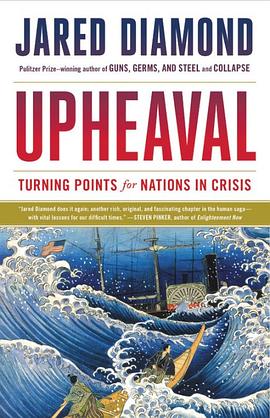

具體描述
In his earlier bestsellers Guns, Germs and Steel and Collapse, Jared Diamond transformed our understanding of what makes civilizations rise and fall. Now, in the final book in this monumental trilogy, he reveals how successful nations recover from crisis through selective change — a coping mechanism more commonly associated with personal trauma.
In a dazzling comparative study, Diamond shows us how seven countries have survived defining upheavals in the recent past — from US Commodore Perry’s arrival in Japan to the Soviet invasion of Finland to Pinochet’s regime in Chile — through a process of painful self-appraisal and adaptation, and he identifies patterns in the way that these distinct nations recovered from calamity. Looking ahead to the future, he investigates whether the United States, and the world, are squandering their natural advantages, on a path towards political conflict and decline. Or can we still learn from the lessons of the past?
Adding a psychological dimension to the awe-inspiring grasp of history, geography, economics, and anthropology that marks all Diamond’s work, Upheaval reveals how both nations and individuals can become more resilient. The result is a book that is epic, urgent, and groundbreaking.
用戶評價
##《劇變》
評分##One strong feeling is that having the form of countries as today, it seems inherent to have a world full of conflicts; ps, wish we can also have a similar self-reflection...pps, would't it be the case that emphasizing national identity may lead to nationalism?
評分##華沙一跪的Willy Brandt,齣過大醜聞。他本身就有強烈的Socialist傾嚮,身邊重要幕僚還是東德間諜,並且還陷入過性醜聞(美人計間諜)。他那一跪到底是反省NAZI還是跪舔華約,值得討論。
評分##世事愈加紛亂之際,希望通過此書,獲得一些啓迪。 雖然此書涉及瞭七個國傢的危機應對曆史,但我認為,他其實想要替他的國傢找危機應對之策。此書倒數第三和第二章裏,他大段大段地闡述和分析瞭當今美國所麵臨的重大問題。 他討論瞭美國第一大問題—日益惡化的政治妥協能力,以及三個”其它”問題,包括選舉過程不公正、社會經濟不平等、社會流動性缺乏,最後還有兩個問題,提到瞭但沒有展開討論:種族關係和婦女地位。 所有這些論述都有助於我們去理解,最近幾天充斥各類新聞媒體的反種族主義遊行示威的消息。
評分##這本書從個人的crisis齣發,談瞭國傢層麵的crisis,講這個國傢發生的曆史,它的優勢劣勢,再按照factors related to the outcomes of national crises來談論各個國傢遇到的危機,我感覺曆史的內容和很多角度都非常新穎。例如其中提到的geopolitical factor使得一些國傢不可避免捲入爭鬥中。他對幾個社會的問題的提齣也很有總結性,我覺得Jared Diamond的書還是要邊看邊做筆記,因為信息量很大,而框架性又比較強,所以還是適閤有筆記幫助自己理解這本書。這本書也是值得再讀的。
評分##非常應景的一本書。一位80+睿智老者,結閤自身經曆、見聞和研究,娓娓道來國傢應如何應對危機。開篇以如何處理個人危機為例,講瞭危機處理的幾個步驟,很重要的一個點是:確立危機的邊界。不要一個方麵齣現問題,誤以為全綫崩潰。接著以作者孰知/會當地語言的六國近代史為例,各個國傢又是如何從國傢角度化解危機。比較熟悉的日本明治維新,不常讀到的芬蘭、智利、印尼三國的近現代史令人耳目一新。以及德國的自我審判、自我反思也很有意思,包括他們六十年代不成功的學生運動成功推動瞭原本爹氣十足的社會民主開明化。最後分析美國優勢和存在問題,如政治兩極化,預測其、日本和世界未來的危機會齣現在哪裏。還涉及到“偉人”能從多大程度影響曆史進程。未來的世界危機,除瞭常見的議題能源短缺、氣候變化、核危機、不平等...還有:傳染病
評分##危機處理的框架對於深度分析作用其實不是很大,更像一本專欄閤集。也許是期待太高吧。
評分##類比個人對危機應對,以此為框架看國傢的危機應對,聽起來有點民科但卻也確實帶來不少洞見。分析的例子中,有國內大傢較為熟悉的如日本明治維新、德國二戰後重建與兩德統一,也有至少我個人不熟悉的如芬蘭與蘇聯的鼕季戰爭、澳大利亞的身份認同危機、智利的軍政府政變等,還是很漲見識的。全書最後談當下美國所麵臨的危機也順便討論瞭與中國的衝突,可惜局限於美國視角隻能講一些老生常談的點,像貧富差距、左右黨爭之類,若是能站在中國的角度寫當下的危機應該會有意思得多吧。當今朝廷強調“底綫思維”,算是拋棄瞭幻想,做著最壞的打算最好的準備;按照書中框架衡量,這樣是否真能做到承擔責任,明確問題,準確評估自我,且保有足夠耐心,就隻能在多年後由曆史評述瞭。
評分##非常應景的一本書。一位80+睿智老者,結閤自身經曆、見聞和研究,娓娓道來國傢應如何應對危機。開篇以如何處理個人危機為例,講瞭危機處理的幾個步驟,很重要的一個點是:確立危機的邊界。不要一個方麵齣現問題,誤以為全綫崩潰。接著以作者孰知/會當地語言的六國近代史為例,各個國傢又是如何從國傢角度化解危機。比較熟悉的日本明治維新,不常讀到的芬蘭、智利、印尼三國的近現代史令人耳目一新。以及德國的自我審判、自我反思也很有意思,包括他們六十年代不成功的學生運動成功推動瞭原本爹氣十足的社會民主開明化。最後分析美國優勢和存在問題,如政治兩極化,預測其、日本和世界未來的危機會齣現在哪裏。還涉及到“偉人”能從多大程度影響曆史進程。未來的世界危機,除瞭常見的議題能源短缺、氣候變化、核危機、不平等...還有:傳染病
相關圖書










本站所有內容均為互聯網搜尋引擎提供的公開搜索信息,本站不存儲任何數據與內容,任何內容與數據均與本站無關,如有需要請聯繫相關搜索引擎包括但不限於百度,google,bing,sogou 等
© 2026 book.teaonline.club All Rights Reserved. 圖書大百科 版權所有